American Impressionism
1880 – 1920
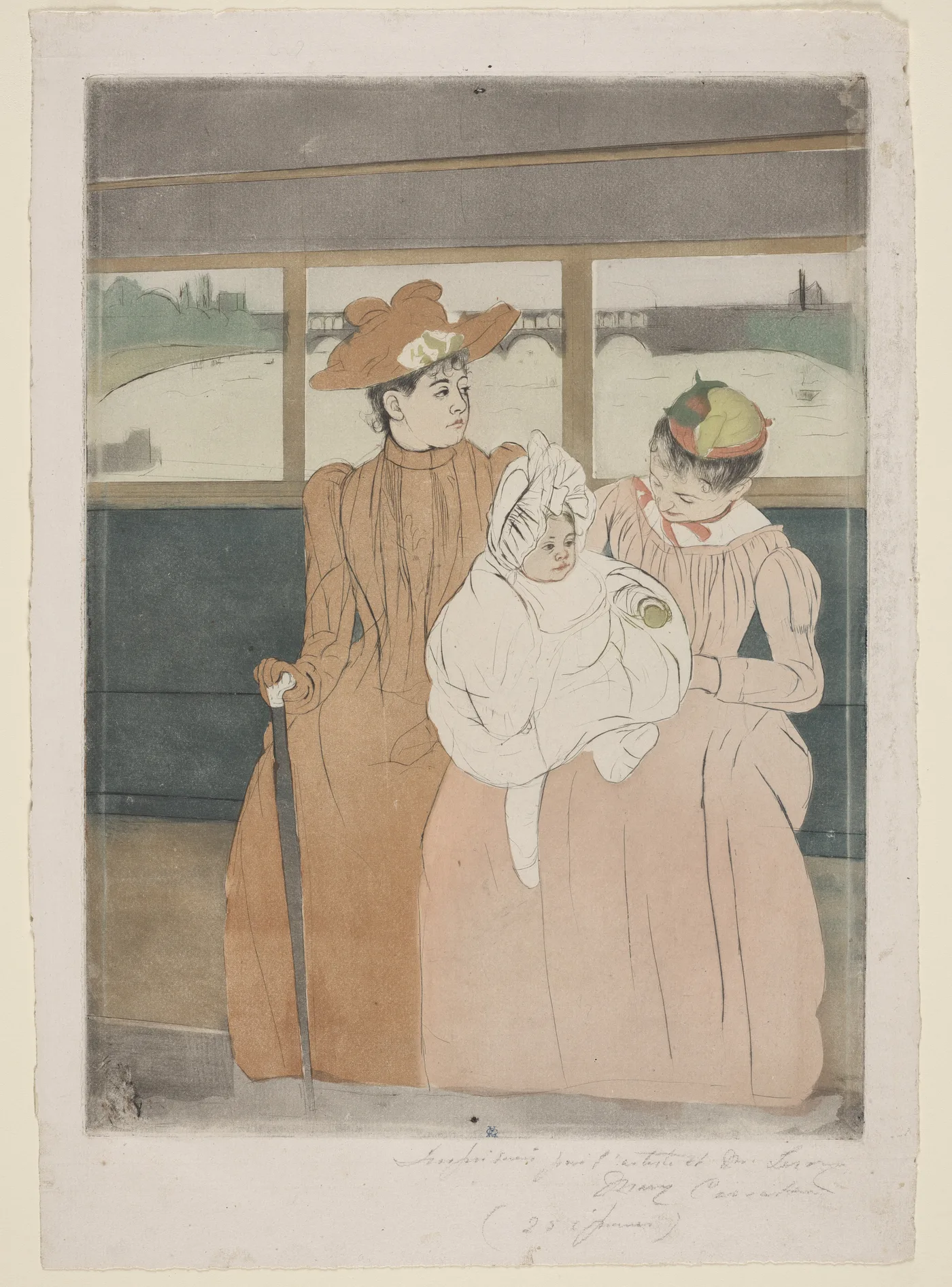
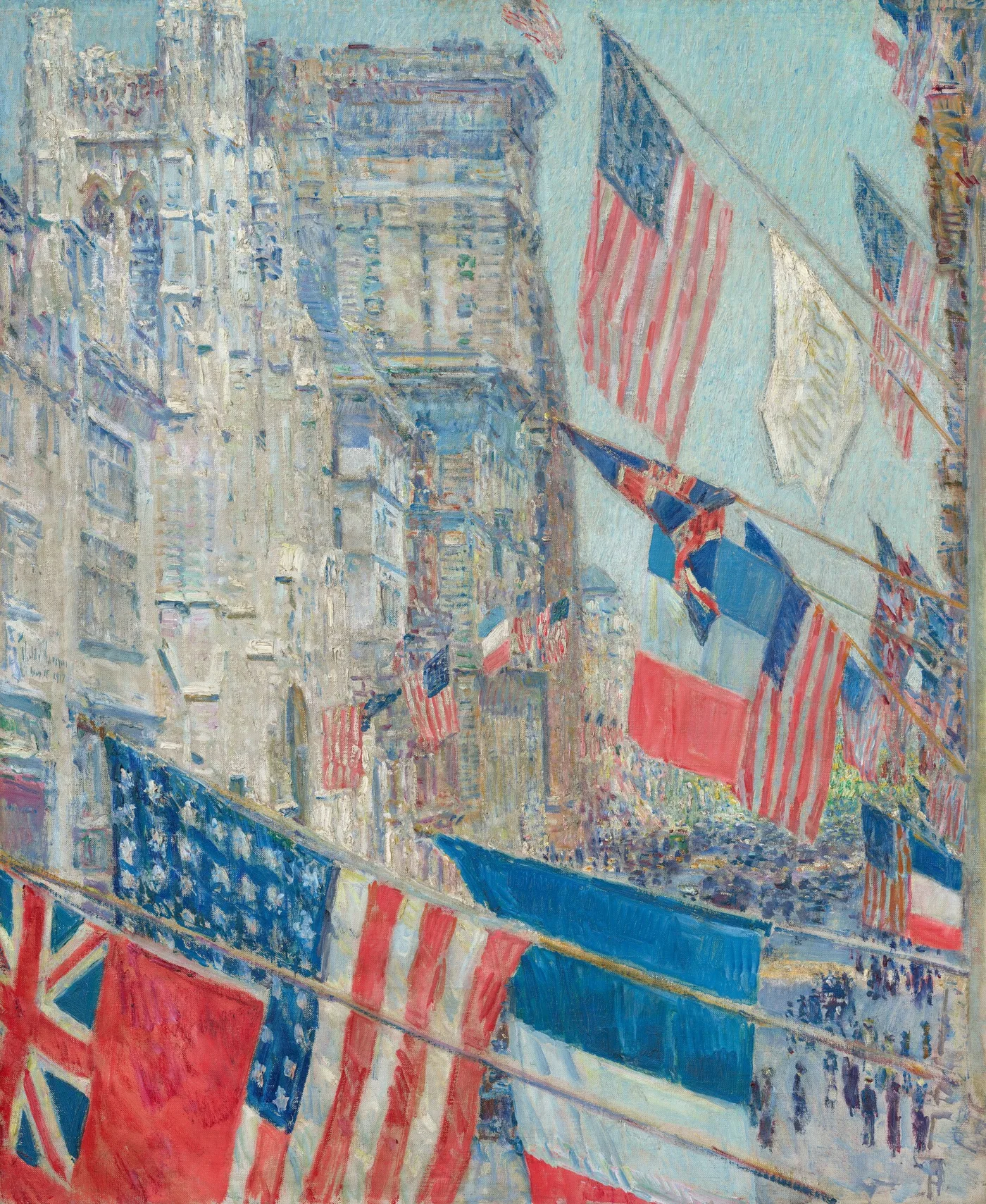
Cassatt's mothers and color prints, Hassam's flag-hung avenues and the quiet Connecticut farms of the Ten - American painters who took up Impressionist light, 1880-1920
About American Impressionism
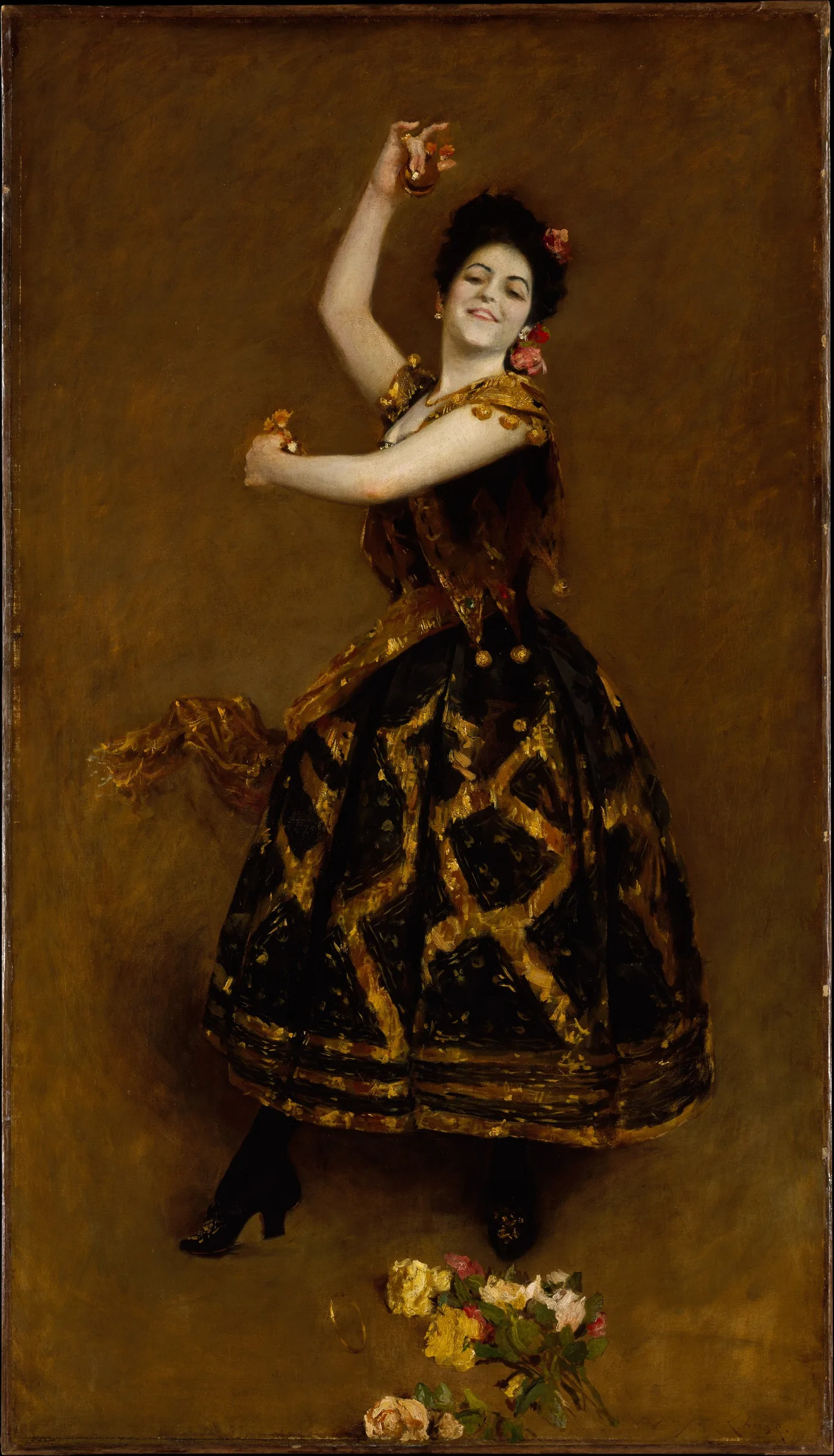
American Impressionism was never a single school with a program. It was a shared change of habit among American painters, most of them trained in Paris or Munich in the 1870s, who over the following two decades lightened their palettes, broke up their brushwork and turned to everyday modern subjects: a mother bathing a child, a sunny New England pasture, a crowded avenue in New York. The works in this archive span that shift, from…
Read full biography →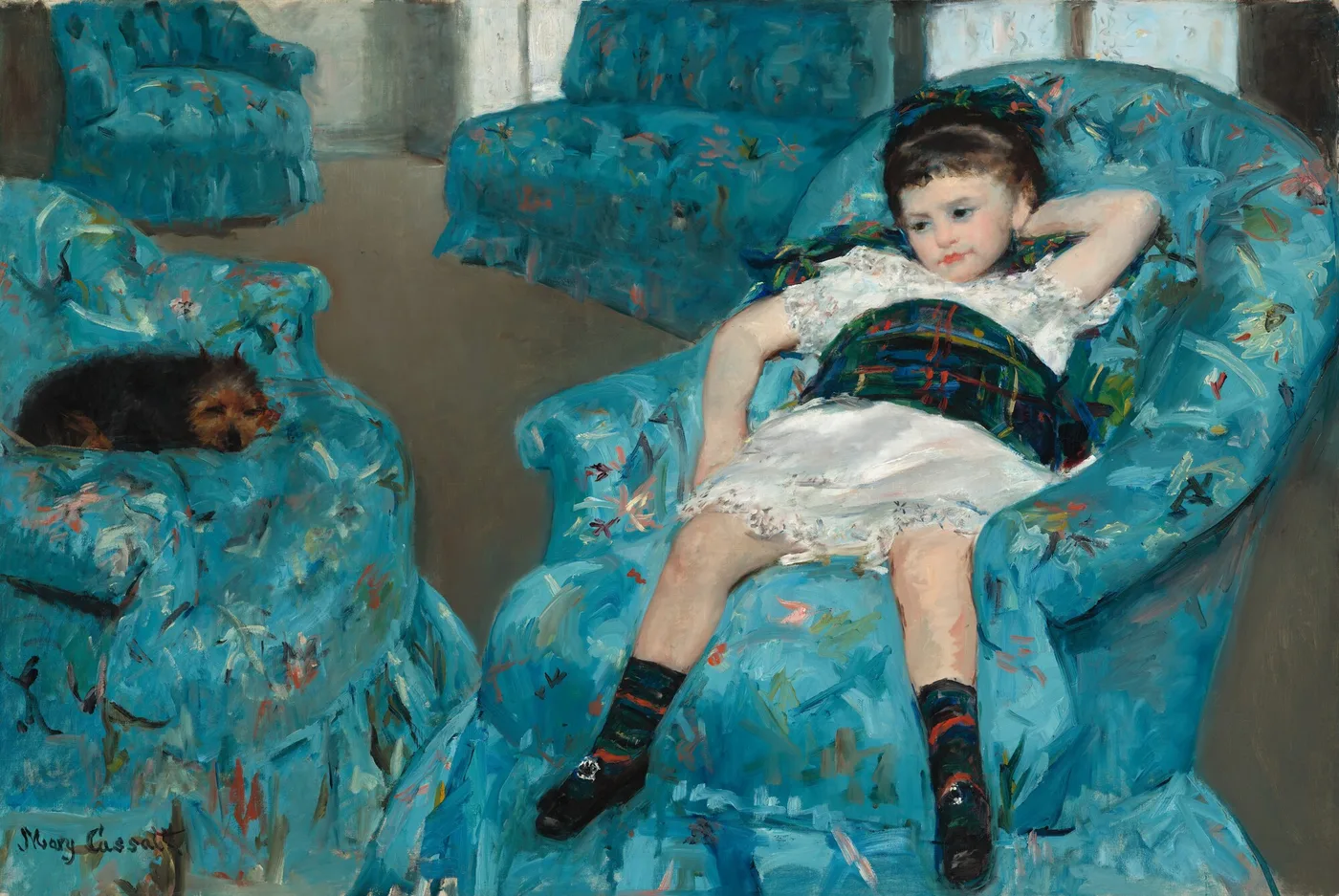
Notable Works
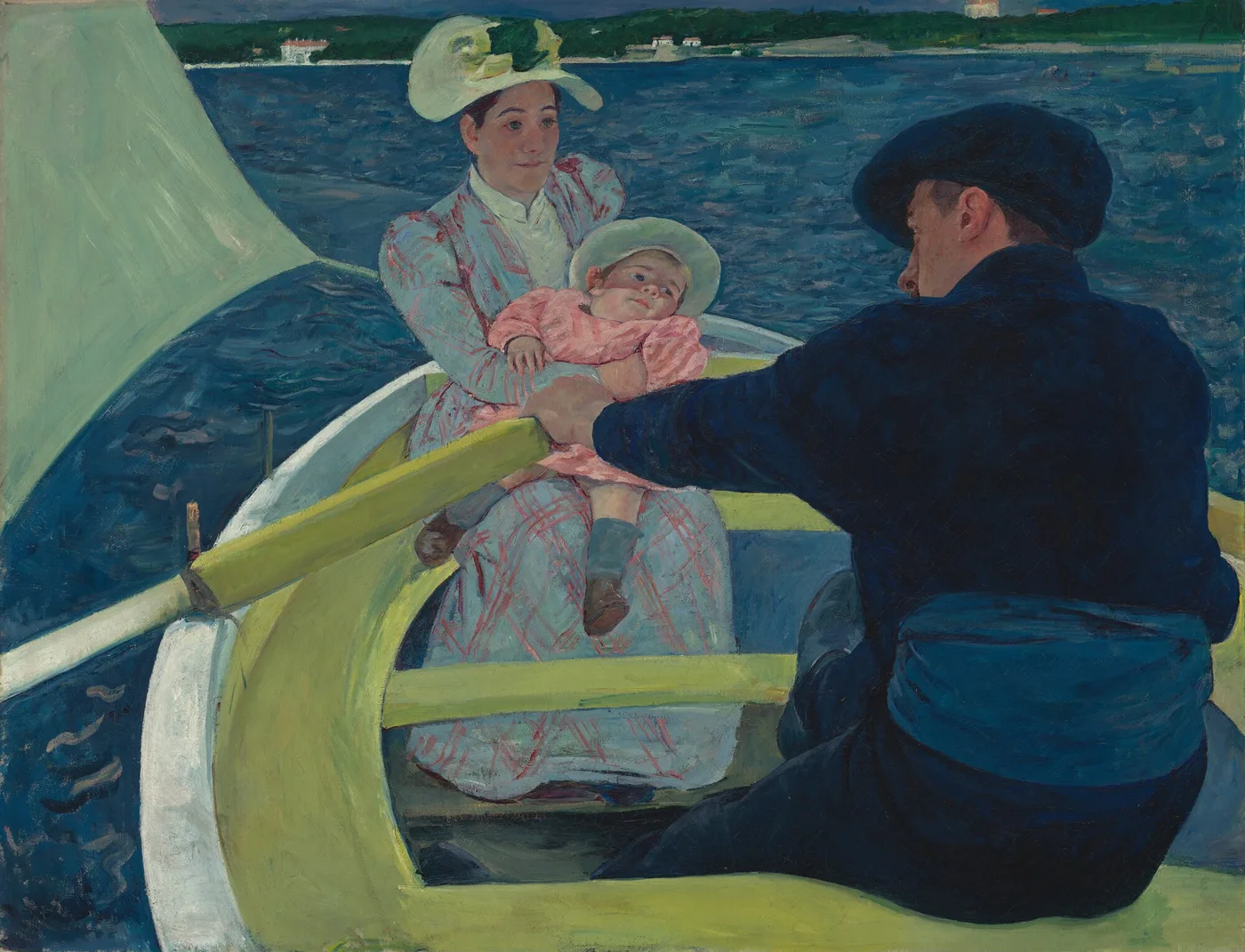
The Boating Party
Mary Cassatt painted this large canvas at Antibes on the French Riviera in the winter of 1893-94. The steeply tilted, cropped view of a mother, child and oarsman reflects her study of Japanese…
Browse the collection →Little Girl in a Blue Armchair
One of Cassatt's most accomplished paintings of 1878, a child sprawled among overstuffed blue chairs. Cassatt later wrote to Ambroise Vollard that Degas advised her on the picture and even worked on…
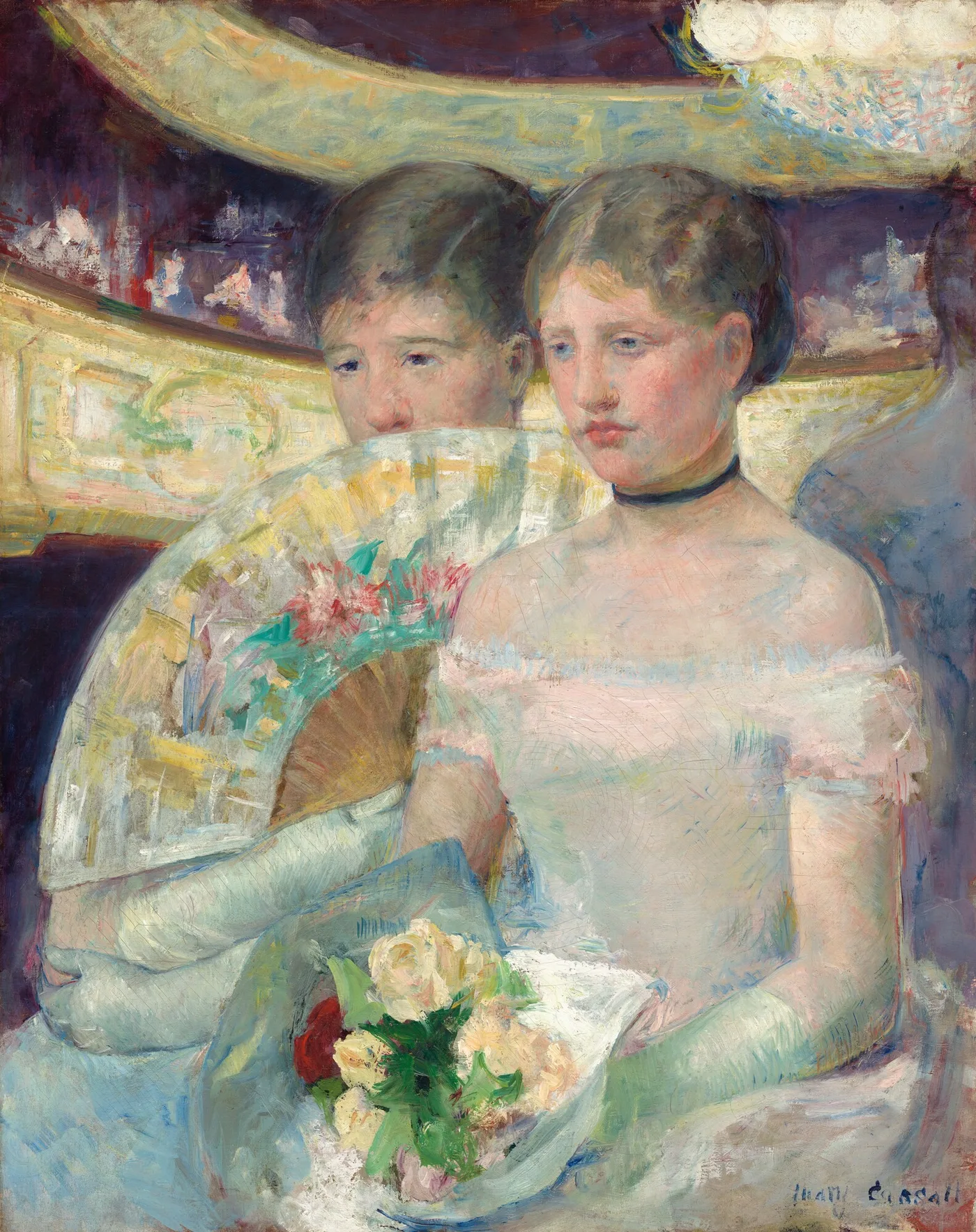
Browse the collection →The Loge
Two young women in evening dress in a theater box, dated c. 1878-1880 by the National Gallery of Art - one of the Paris theater subjects Cassatt explored in the years she exhibited with the…
Browse the collection →Timeline
Mary Cassatt moves to Paris
Cassatt's A Mandoline Player is accepted by the Paris Salon jury, her first Salon acceptance
After both of her Salon entries are rejected, Cassatt is invited by Edgar Degas to exhibit with the Impressionists; J. Alden Weir, studying in Paris, writes home in April that he never saw 'more horrible things' than an Impressionist show
Cassatt paints Little Girl in a Blue Armchair, with advice - and some work on the background - from Degas
Cassatt shows eleven works in the fourth Impressionist exhibition in Paris; she also exhibits in 1880, 1881 and 1886, the only American to show with the group
"It changed my life. I saw art then as I wanted to see it."
— American Impressionism